Building for the Long Game: Why Your Builder Should Think Like an Owner
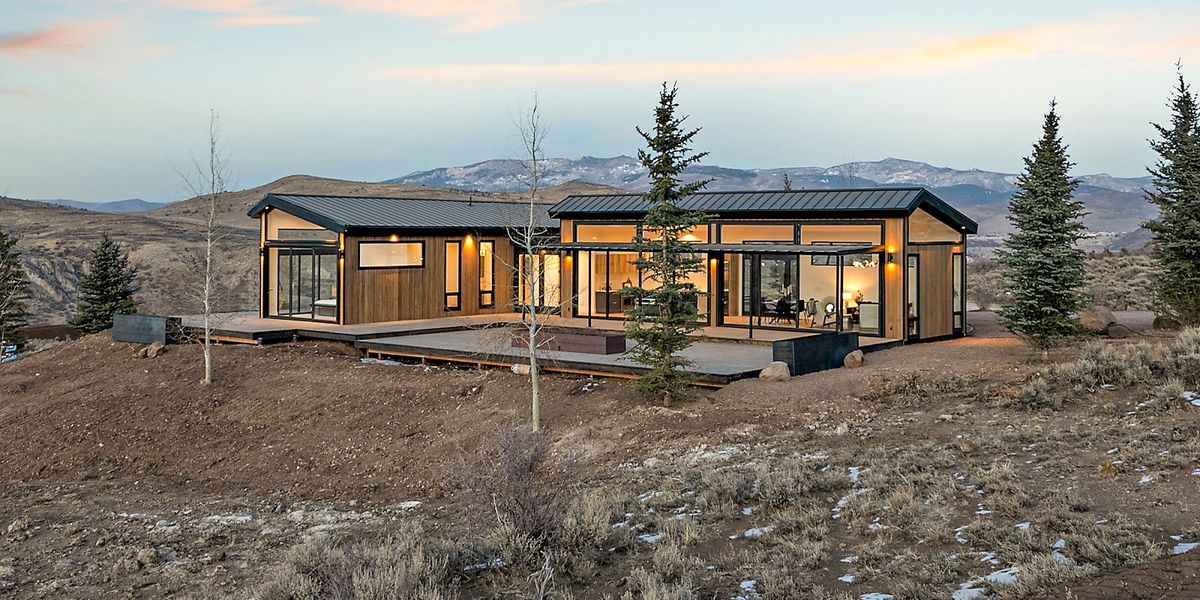
Most conversations about custom home building focus on the moment of completion — the reveal, the first dinner party, the magazine feature. But the best builders think well beyond that moment. They think about year five, year fifteen, year thirty. They think about what happens when the homeowner is 2,000 miles away and the first heavy snow settles on a flat roof at 7,000 feet.
The Maintenance Conversation Nobody Wants to Have
Here's an uncomfortable truth about luxury homes: the more sophisticated the design, the more demanding the maintenance. Floor-to-ceiling glass walls need different care than traditional siding. Radiant floor heating systems require seasonal attention. The smart home automation that controls your lighting, security, shading, and HVAC becomes a liability if nobody understands how it was programmed.
At Roderick Builders, we've started having these conversations during the design phase, not after move-in. When we're working on a home in Benloch or Promontory, we know that many of our clients are part-time residents. Their homes need to perform beautifully whether someone's there daily or only on weekends. That reality shapes how we design mechanical systems, specify materials, and plan for seasonal transitions.
Designing for Durability Without Sacrificing Design
The tension between aesthetics and longevity is real, but it's not irreconcilable. A corten steel accent wall that weathers gorgeously at sea level may corrode unpredictably in Park City's freeze-thaw cycles. The reclaimed wood beam that gives a living room its soul needs to be properly sealed against mountain moisture. These aren't compromises — they're the kind of material intelligence that comes from building in demanding environments for two decades.
In our California projects — from the Thrasher Avenue Estate in the Bird Streets to the Stradella rebuild in Bel Air — durability means fire resistance, UV stability, and earthquake readiness. In Utah, it means snow load engineering, thermal bridging prevention, and materials that can handle 100-degree temperature swings between January and July.
The Systems Behind the Scenes
A luxury custom home is a complex system of systems. HVAC, plumbing, electrical, automation, security, fire suppression, pool and spa equipment, landscape irrigation, snow-melt systems — each one needs to work independently and integrate seamlessly with the others. The builder who installed these systems is the most qualified to ensure they continue performing.
This is why we compile comprehensive home operations manuals for every project, documenting not just what was installed, but how it was configured, where the access points are, and what the maintenance schedule should be. We train homeowners and their property managers on the systems we've built, because the best-engineered home in the world is only as good as the people maintaining it.
Building Relationships, Not Just Homes
Many of our clients return to us — not because something went wrong, but because they're ready to build again. They've experienced what it's like to work with a builder who thinks beyond completion day, who understands that a luxury home is a living thing that evolves with its owners.
Whether you're building a year-round residence in Park City's mountain communities or a retreat that sees you only a few weeks a year, the question to ask your builder isn't just 'can you build this?' It's 'will you still be there when I need you?' At Roderick Builders, the answer has always been yes.
Frequently Asked Questions
What does it mean for a builder to "think like an owner"?
A builder who thinks like an owner makes decisions based on long-term value — not just construction efficiency. This means using premium materials, over-engineering structural components, planning for future systems upgrades, and designing spaces that age gracefully. Roderick Builders treats every home as if we're building it for ourselves.
How does builder mentality affect home resale value?
Homes built by owner-minded builders consistently outperform market averages at resale. Smart choices like oversized utility chases, future-proofed wiring, and premium envelope construction prevent the costly retrofits that devalue homes 10-15 years after completion.
What makes Roderick Builders different from production builders?
Production builders optimize for speed and margin. We optimize for legacy. Our homes are designed to perform for 50+ years with minimal maintenance. This means better foundations, superior waterproofing, higher-grade mechanicals, and finishes that develop character rather than showing wear.
Why is pre-construction planning so important?
Pre-construction planning catches 90% of potential problems before they become expensive changes in the field. Roderick Builders spends 3-6 months on pre-construction — detailed budgeting, engineering review, material specification, and subcontractor coordination — so construction runs smoothly and on budget.
How does Roderick Builders ensure quality control during construction?
We maintain a maximum of 4-6 active projects at any time, allowing direct principal oversight on every build. Trapper Roderick personally reviews critical construction milestones. We also use Buildertrend for real-time progress tracking and weekly video updates for clients.