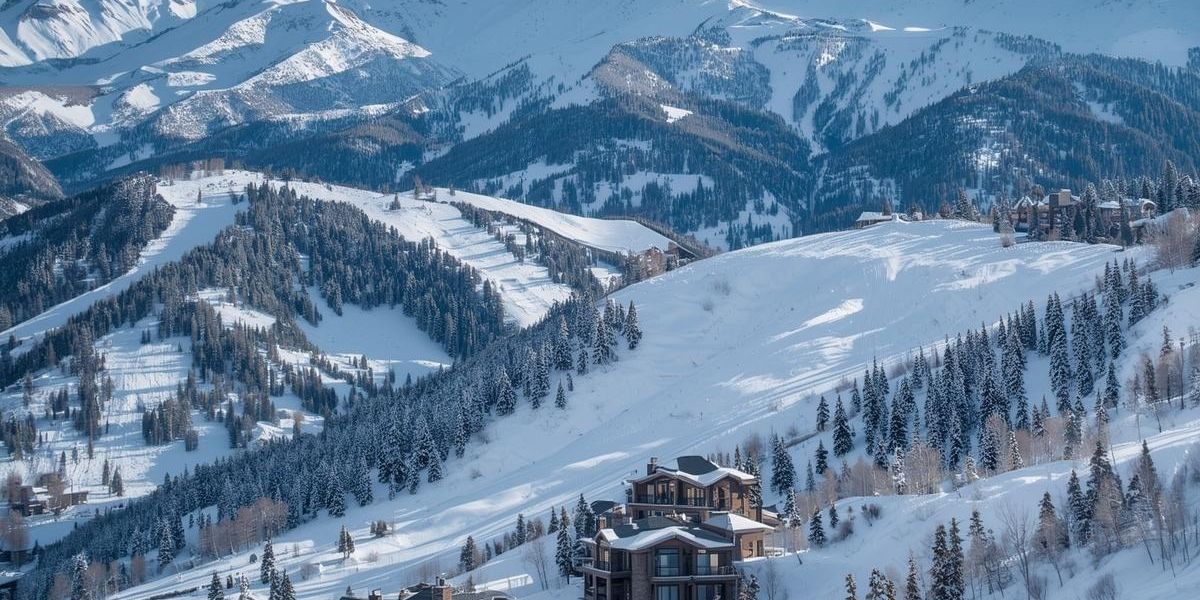
A $5 billion ski resort expansion just opened a new gondola, broke ground on nearly 1,700 new residences, and pushed land values in the surrounding corridor up 30 to 40 percent. For anyone considering a custom home near Deer Valley, the math on waiting looks different than it did two years ago.
The East Village Is No Longer a Future Project
The Deer Valley East Village — anchored by Extell Development and connected to the resort's expanded terrain via the new East Village Express Gondola — is not a distant future project. It is under active construction. The Canopy by Hilton is slated to open this summer. The Four Seasons Resort and Private Residences Deer Valley has already sold more than 40 percent of its 123 private residences. The Village Skier Services facility is scheduled for substantial completion by September 2026.
What this means for someone building a custom home is less about the resort itself and more about what surrounds it: a corridor stretching from Heber City through Hideout and into the broader Wasatch Back that is now directly connected to the largest ski resort expansion in North American history. That connectivity changes land values, demand, and the logic of where and when to build.
The 18-Month Clock
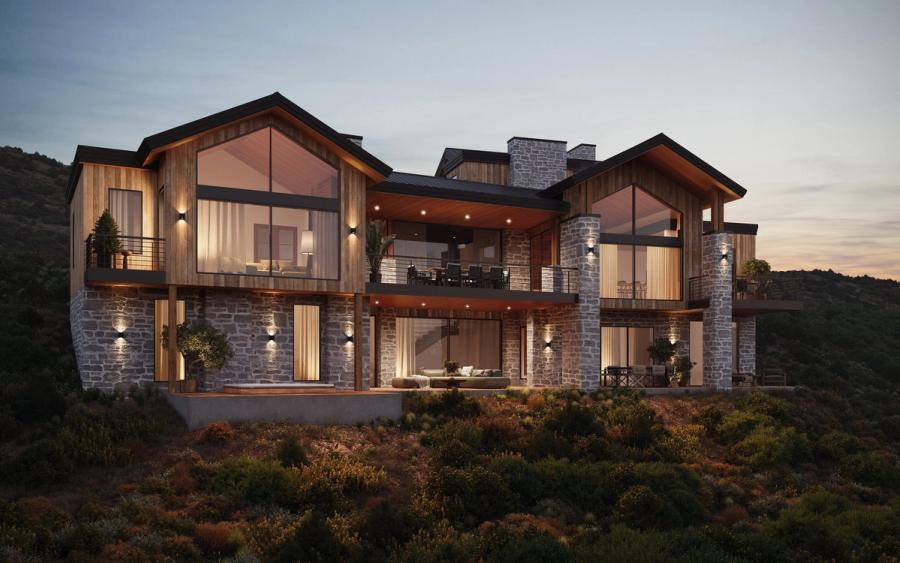
The most important number for a prospective custom home client is not the sticker price on a lot. It is the 18 to 30 months it takes to complete a custom home in this market.
A build started today does not deliver until late 2027 or early 2028 at the earliest. A build started in mid-2026 lands closer to 2028 or 2029. The Four Seasons residences already have a waiting list. The East Village Lodge infrastructure completes in September. The full resort experience — hotels, restaurants, and the ski beach — will be operational within the next two years.
The resort is not coming. It is here.
What remains available — at current pricing — is land in the communities surrounding the East Village corridor. Benloch Ranch sits approximately ten minutes from Deer Valley and eight minutes from the East Village access point via US-40. It offers 50 miles of mountain bike trails, fishing ponds, and direct adjacency to the Uinta National Forest — and some of the most strategically positioned lots remaining in Wasatch County.
The Heber Valley median sale price has already crossed $980,000 — more than double what it was before the pandemic. In the Deer Valley East Village corridor itself, residential listings now average $3.2 million. Clients who understood this trajectory in 2022 and 2023 have already seen their land values climb significantly. The same dynamic is playing out now, but the window is measurably narrower.
The Communities Most Directly Affected
The East Village expansion does not affect every Park City community equally. Its gravitational pull is strongest in communities along the US-40 corridor — Heber City, Hideout, Benloch Ranch, Victory Ranch, and Red Ledges. These are the communities that gain a new portal to Deer Valley. For communities already positioned on the Park City side of the Jordanelle — Promontory, Glenwild, and Park City proper — the effect is indirect, driven primarily by overall market demand.
That distinction matters because it shapes where the remaining opportunity sits. Benloch Ranch, with its proximity to the East Village gondola and direct access to backcountry terrain, represents what has become one of the most strategically located custom-build communities in the Wasatch Back. Hideout is positioned in similar proximity. For clients weighing where to build, this corridor deserves serious consideration before the post-resort-opening demand surge arrives.
What Rising Material Costs Add to the Equation
Complicating the "wait and see" strategy further is the material cost environment of 2026. Kitchen cabinet tariffs doubled to 50 percent on January 1. Steel and aluminum now carry a 50 percent tariff. Canadian softwood lumber — which represents roughly one-third of all lumber used in U.S. residential construction — carries a 10 percent duty. The National Association of Home Builders estimates current tariff conditions add between $9,200 and $17,500 to the average new home nationwide.
In a Park City custom home context — where custom cabinetry and structural steel are standard features of mountain modern design — those national averages are conservative. A delay of twelve months in breaking ground is not cost-neutral.
The Build Cost Reality
Custom home construction in the Wasatch Back currently runs between $600 and $1,500 per square foot depending on community, design complexity, and finish level. That range reflects genuine variance — not vagueness. A well-finished mountain modern home at Benloch Ranch runs differently than a more technically demanding build involving radiant heat, structural steel, and a high-altitude cold-roof system.
What is consistent across that range: costs are not trending down. Material costs under current tariff conditions are projected to rise 4 to 6 percent annually on top of tariff-specific increases. The mountain building environment — altitude above 6,000 feet, seasonal constraints, and design review timelines — adds variables that don't exist in flat-terrain markets.
The honest summary: building in 2026 costs more than it did in 2024. Building in 2028 will likely cost more than building in 2026. The offset is the land appreciation that typically accompanies a well-positioned home in a rising market — but that appreciation accrues to those who own, not those who are still deciding.
Two Years Ago vs. Today
In early 2024, the Deer Valley East Village gondola had not yet opened. The Four Seasons residences were just entering pre-sales. The East Village corridor was a compelling opportunity that required confidence in the execution of a large development plan.
Today, none of that confidence is required. The gondola opened in January 2026. The hotel timelines are confirmed. The infrastructure is in the ground. Heber Valley land values have already risen 30 to 40 percent.
The opportunity has not passed. Its character has shifted. Two years ago, clients were getting ahead of the market. Today, clients who move quickly are positioning themselves ahead of the second wave — the post-infrastructure demand surge that follows resort towns once construction cranes come down and the lifestyle becomes fully tangible.
The 2034 Winter Olympics layer a third driver onto this picture. The University of Utah's Kem C. Gardner Institute projects a $6.6 billion economic impact for Utah over the next decade — including $2.5 billion in personal income and nearly $3.9 billion in state GDP contribution. Custom homes completed between now and 2030 will be established, appreciated assets by the time Olympic-era demand peaks.
A Note from Our Builder
"This is the clearest closing window I’ve seen in this market. Land near the corridor that felt like a strong investment two years ago has already moved. What’s left is still compelling — but with rising land values, tariff-driven material costs, and an 18-to-30-month build window, the decision looks genuinely different than it did in 2024." — Trapper Roderick, President, Roderick Builders
The Window Is Open. The Clock Is Running.
The East Village is built. The gondola is running. The residences are selling. What remains is a measured window to build a home that is positioned ahead of the next wave of demand. We have been building in these communities for years — in Benloch Ranch, Promontory, Victory Ranch, and across the Wasatch Back. We understand the terrain, the design review process, and the specific demands of high-altitude mountain construction.
Let's start a conversation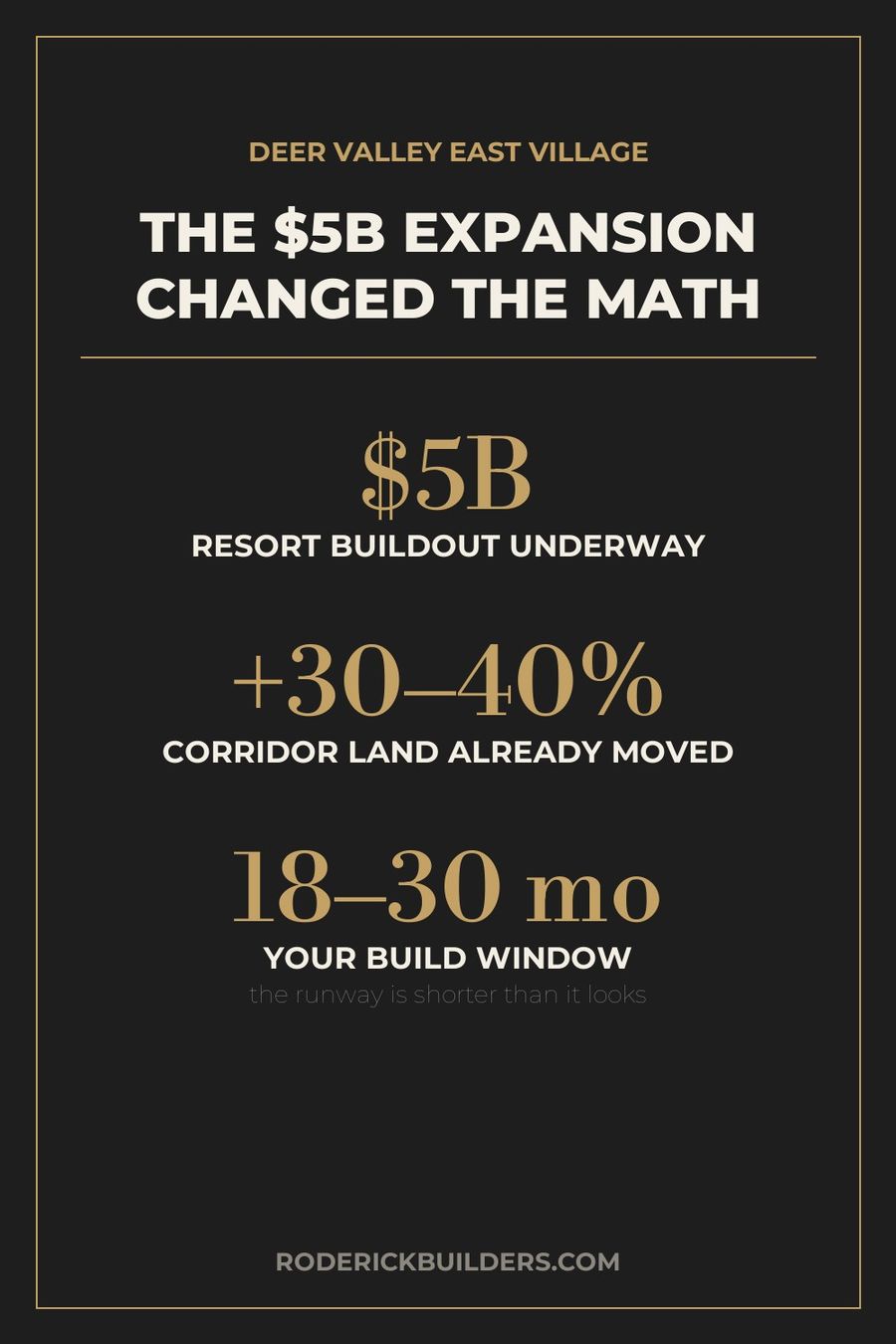
Frequently Asked Questions
How close is Benloch Ranch to the Deer Valley East Village?
Benloch Ranch sits approximately ten minutes from Deer Valley's main base and eight minutes from the East Village portal via US-40. The East Village Express Gondola, which opened in January 2026, provides direct lift access to the expanded Deer Valley terrain. For clients building at Benloch Ranch, ski access is now materially faster and more direct than it was a season ago.
What is the total scope of the Deer Valley East Village expansion?
The East Village expansion adds approximately 100 new ski runs, 10 new chairlifts, and the 10-passenger East Village Express Gondola. Fully built out, Deer Valley will encompass over 5,726 acres of skiable terrain across 238 runs and 37 chairlifts. The real estate component includes approximately 1,700 residential units, over 800 hotel rooms, and 250,000 square feet of retail and commercial space.
What does this mean for custom home build timelines and planning?
A custom home in the Wasatch Back takes between 18 and 30 months to complete from permit issuance. Factoring in lot selection, design, and the design review board process — which can add months in communities like Benloch Ranch, Promontory, or Red Ledges — the realistic timeline from decision to keys is closer to 24 to 36 months. For clients who want to be positioned ahead of the post-resort-opening demand surge, the planning process should begin now.
How do 2026 tariffs affect custom home costs in the Wasatch Back?
Kitchen cabinet tariffs doubled to 50 percent on January 1, 2026. Steel and aluminum carry a 50 percent tariff. Canadian softwood lumber carries a 10 percent duty. The National Association of Home Builders estimates these conditions add between $9,200 and $17,500 to the average new home nationally. In Park City custom construction — where cabinetry and structural steel are standard — the impact per home is higher. Material costs are projected to rise an additional 4 to 6 percent annually, meaning a delay in breaking ground doesn't avoid the increase; it compounds it.
Which Wasatch Back communities are most affected by the East Village expansion?
The strongest effect is felt in communities along the US-40 corridor: Heber City, Hideout, Benloch Ranch, Victory Ranch, and Red Ledges. These communities gain a practical new gateway to Deer Valley. Communities already on the Park City side of the Jordanelle — including Promontory and Glenwild — see indirect benefits through overall market demand and rising property values across the broader Wasatch Back.
What is the connection between building now and the 2034 Winter Olympics?
The University of Utah's Kem C. Gardner Institute projects a $6.6 billion economic impact from the 2034 Winter Olympics over the next decade, including $2.5 billion in personal income and nearly $3.9 billion in state GDP contribution. Custom homes completed between now and 2030 will be established, appreciated assets by the time Olympic-era demand peaks. Combined with the East Village expansion already underway, the Games represent a second, compounding demand driver for the entire Park City and Wasatch Back region.